
What is Yoga? A Beginner’s Guide to How Yoga Works and Why It Helps
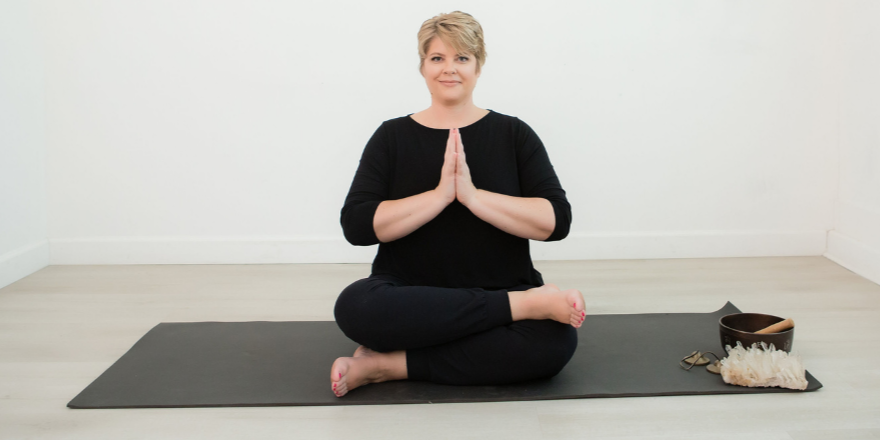
Yoga isn’t just stretching. It's a powerful practice for mental clarity, emotional peace, and physical strength. Whether you're curious, overwhelmed, or ready to begin, this guide explains what yoga is, what it does for your body, and how to start.
What is Yoga in simple words?
Yoga is a mind-body practice that combines movement, breathing, and meditation to improve your overall health and well-being.
Originally rooted in ancient India, yoga today is practiced globally as a way to reduce stress, improve flexibility, strengthen muscles, and calm the mind. Whether you're rolling out your mat for the first time or returning after a break, yoga meets you where you are.
Core elements of yoga include:
Physical postures (asanas)
Breathwork (pranayama)
Meditation or mindfulness
Ethical practices and self-awareness
What is the main purpose of yoga?

The purpose of yoga is to bring balance to the body, mind, and spirit.
Many people start yoga for fitness but stay for the transformation. Yoga supports your physical health while also helping you reconnect with yourself, reduce stress, and find inner peace.
People often practice yoga to:
Improve posture and flexibility
Cope with anxiety or burnout
Boost energy and focus
Feel calmer and more grounded
What Are the 10 Proven Benefits of Doing Yoga Daily?
Practicing yoga consistently, even for just 10–20 minutes a day, can significantly enhance your physical and emotional well-being.
Here are 10 benefits of Yoga if practiced daily:
1. Improves flexibility and joint mobility
Yoga uses a wide range of stretching exercises and postures, which will ultimately help increase your flexibility and range of motion in muscles and joints.
2. Strengthens muscles using bodyweight resistance
Many yoga poses require the use of body weight for resistance, which will improve muscle strength and toning.
3. Enhances balance and coordination
Yoga challenges your balance and coordination, leading to improvements over time.
4. Promotes better posture and spinal alignment
Yoga promotes body awareness and proper alignment, which can result in improved posture and reduced strain.
5. Builds endurance through static holds
Holding yoga poses for an extended period of time can build muscle endurance, allowing muscles to stay active under pressure for longer durations.
6. Supports joint health through gentle movement
The movements and stretches in yoga can help lubricate and replenish the joints, promoting joint health and flexibility.
7. Increases cardiovascular function in active styles
Some yoga exercises, such as Vinyasa or Power Yoga, can provide aerobic benefits, supporting cardiovascular health.
8. Boosts respiratory health with breath control
The breath control exercises like pranayama in yoga can promote better respiratory function and lung capacity.
9. Reduces stress and promotes deep relaxation
The meditative and relaxation aspects of yoga can reduce stress hormones, promoting a sense of inner peace and relaxation.
10. Relieves chronic pain, such as back or shoulder pain
Yoga can help alleviate chronic pain, such as lower back pain and arthritis, by increasing flexibility and strengthening muscles.
Yoga is accessible and adaptable, making it a safe and sustainable form of movement for people of all ages.

How Often Should You Do Yoga to See Results?
You’ll start noticing results within a few weeks if you practice consistently.
For beginners, start with 2–3 sessions a week. As you build comfort and stamina, 4–5 days a week can offer optimal results- especially when combined with a balanced diet, mindfulness, and proper rest.
Tips for building a consistent yoga routine:
Start small and build gradually
Choose a style that suits your goals (restorative vs. power yoga)
Practice at the same time each day for habit-forming
Use props for support if needed
Work with a certified yoga instructor (like Amy!) for personalized guidance
What Can Yoga Do for Mental Health?
Yoga is proven to reduce stress, anxiety, and depression symptoms.
Mindful breathing and meditation techniques in yoga help regulate the nervous system, lower cortisol levels, and create a greater sense of calm and emotional control.
Mental health benefits of yoga include:
Lower anxiety levels
Improved mood and emotional balance
Better sleep quality
Increased self-awareness and resilience
Grounding tools for stress management
Is Yoga Good for Beginners?
Absolutely. Yoga is beginner-friendly and adaptable to any fitness level.
You don’t need to be flexible or spiritual to begin. Start with gentle styles like Hatha, Chair Yoga, or Restorative Yoga to get comfortable. As you build confidence, you can explore more dynamic practices like Vinyasa or Power Yoga.
Working with a certified instructor like Amy at YogaAmy ensures you’ll move safely and get the support you need from day one.
Can Yoga Help with Weight Loss?
Yoga supports healthy weight management, especially when combined with lifestyle changes.
While it’s not a high-intensity workout like HIIT or cardio, yoga builds lean muscle, reduces stress-related eating, and promotes healthier choices overall. Power Yoga and Vinyasa styles also offer a moderate calorie burn.
Try Personalized Yoga with Amy Stephens
At Yoga Amy, you’ll receive personalized guidance from a certified instructor with 27+ years of experience. Amy offers private online sessions, on-demand yoga classes, and guided meditations to help you feel strong, centered, and supported no matter where you are.
Final Thoughts: What is Yoga Really About?
Yoga is more than physical movement. It’s a path to mental clarity, emotional healing, and deeper self-awareness. It’s about showing up for yourself and learning to listen to your body with compassion.
Whether your goal is strength, stress relief, or simply a quiet space in your day. Yoga offers a solution.